
The Eternal City has crumbled, but we’re not going down with the ruins. Nova Roma is the latest project from Lion Shield, the team behind Kingdoms and Castles, and it is a solid city builder that tasks you with establishing a new bastion of Roman glory on a distant island.
In this article we’ll be giving a full review of the game and ranking it from decaf to fully caffeinated.
story:
The narrative setup is a classic “phoenix from the ashes” scenario. Rome is on its way out, and you have set out to start a fresh version on a remote, procedurally generated island. The worldbuilding is great, leaning heavily into the vibe of the era without feeling like a dry history lesson. You are not just building houses; you are constantly interacting with the Roman Pantheon. You will be building temples and completing Divine Tasks for gods like Jupiter, Venus, and Mars to earn points for your tech tree. It is a smart way to tie your progression to the actual beliefs of the time, making your tech upgrades feel like rewards from the gods themselves.
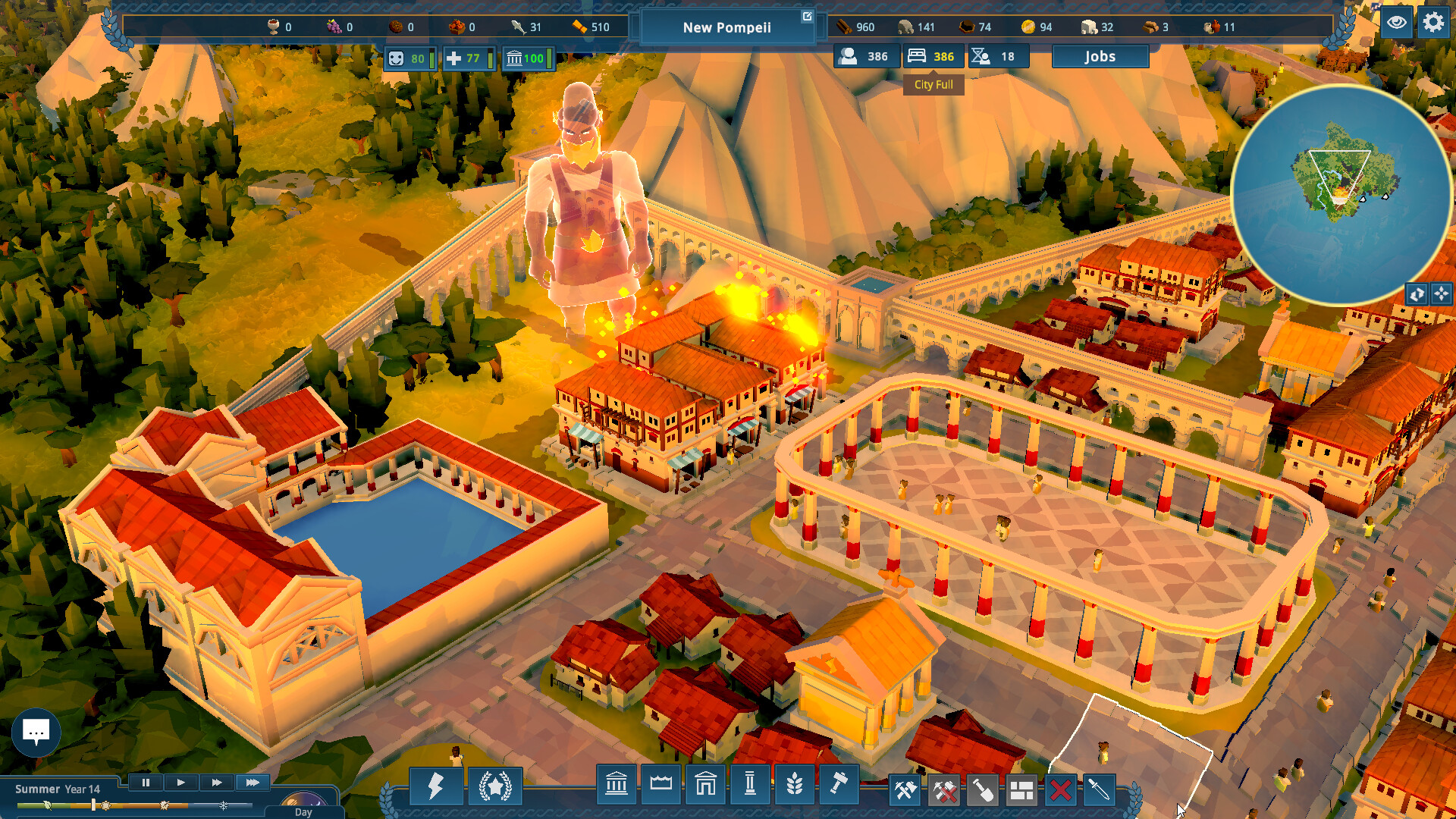
The catch is that these gods are incredibly temperamental. If you do not consult them enough or fail to provide offerings like fish or wheat, they will take their rage out on your streets. One minute you are admiring your marble columns, and the next, Mars is raining fire or Ceres is destroying your crops. This adds a constant layer of tension that keeps the narrative moving, even when you are just waiting for resources to pile up. It feels like a living, breathing world where you are always one bad prayer away from a disaster.
For providing a strong Roman atmosphere with a divine twist that actually impacts your city’s life, the story is Buzzed.
gameplay:
This is where the game really gets its kick. You have your typical city-building pillars like resource management, housing, and worker logistics, but the execution is top-tier. The worker management system is especially cool because it ditches the standard promotion tiers for a general population count where settlers arrive by ship. You do not have to manually promote every citizen, but you do get to choose the priority ranking for how roles are filled. If you need wheat more than you need pottery, you just slide the priority up, and your people respond dynamically. It removes the micro-tedium while keeping the strategic depth exactly where it needs to be.
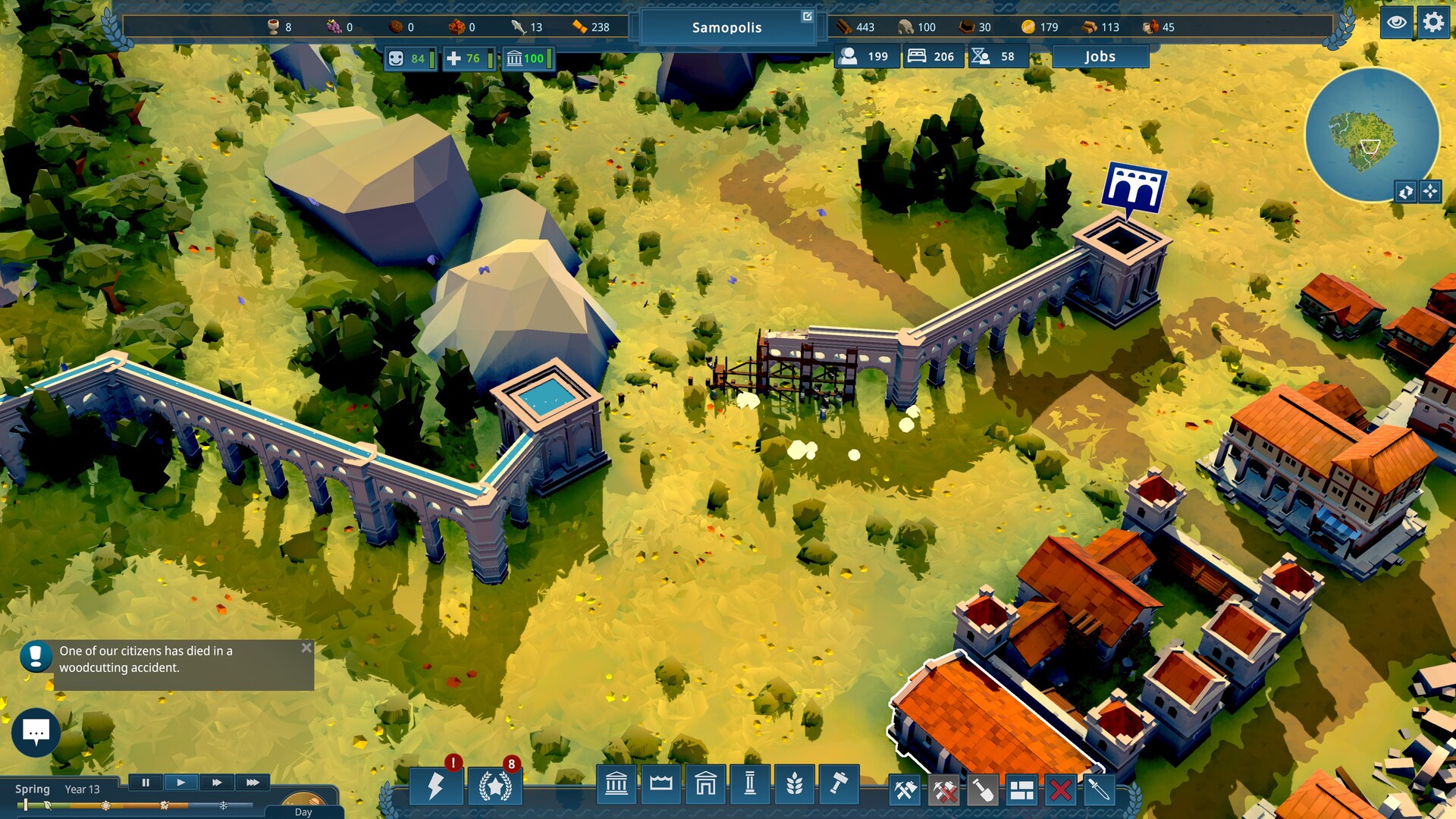
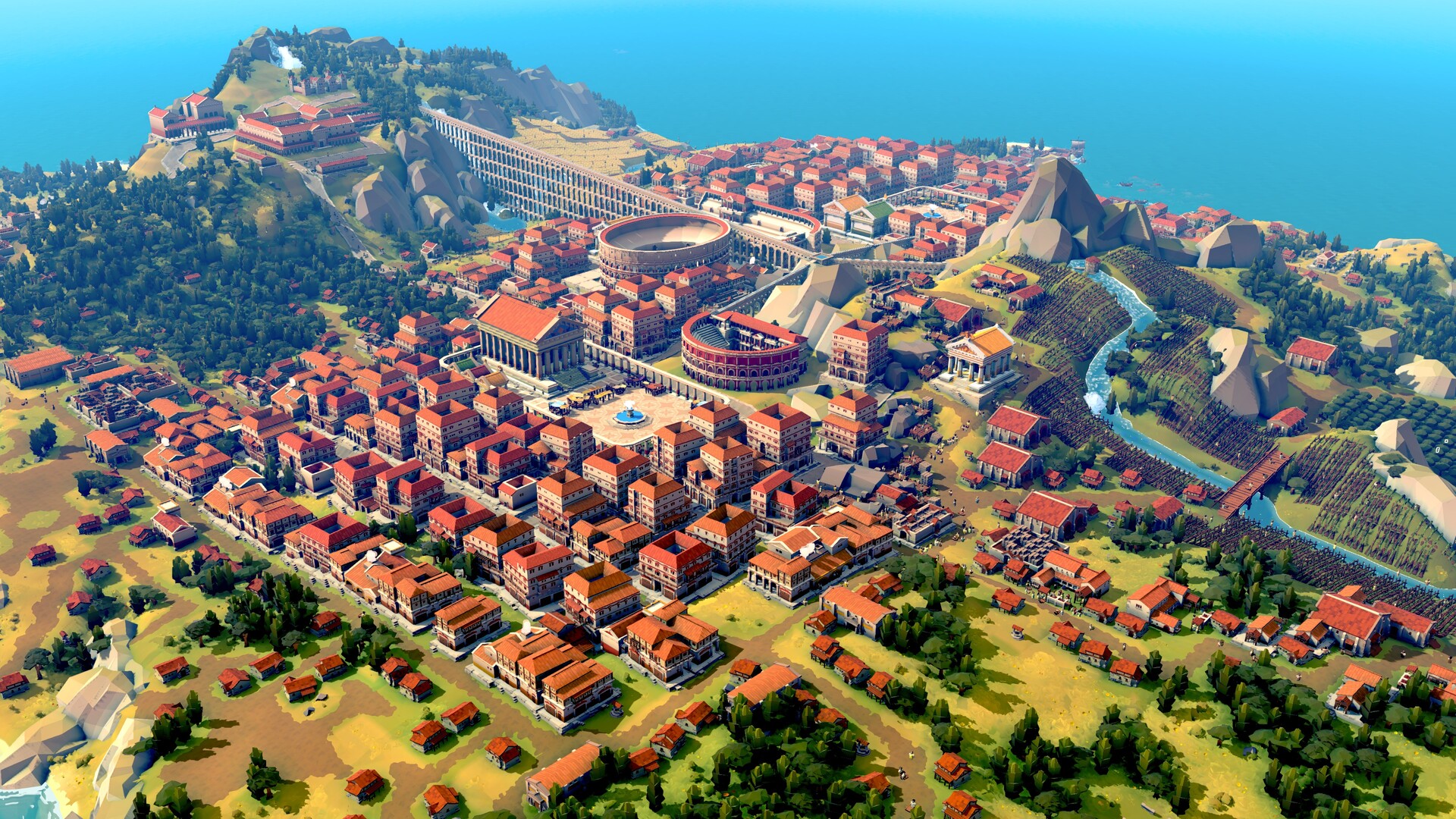
The absolute standout mechanic is the aqueduct building. Unlike other builders where water is just a range-based stat, here it is physics-driven and gravity-fed. You have to carefully construct your towers and dams, and the water flows naturally down the channels you have built. There is even a Dam Planning Mode that lets you simulate water flow to make sure you do not accidentally flood your residential zone. Redirecting a river to improve soil fertility feels like a genuine engineering feat. Between fending off pirate raids and managing these complex supply chains, the “just one more building” loop is dangerously addictive.
Because the mechanics are so tight, satisfying, and refreshingly tactile, the gameplay is Fully Caffeinated.
design:
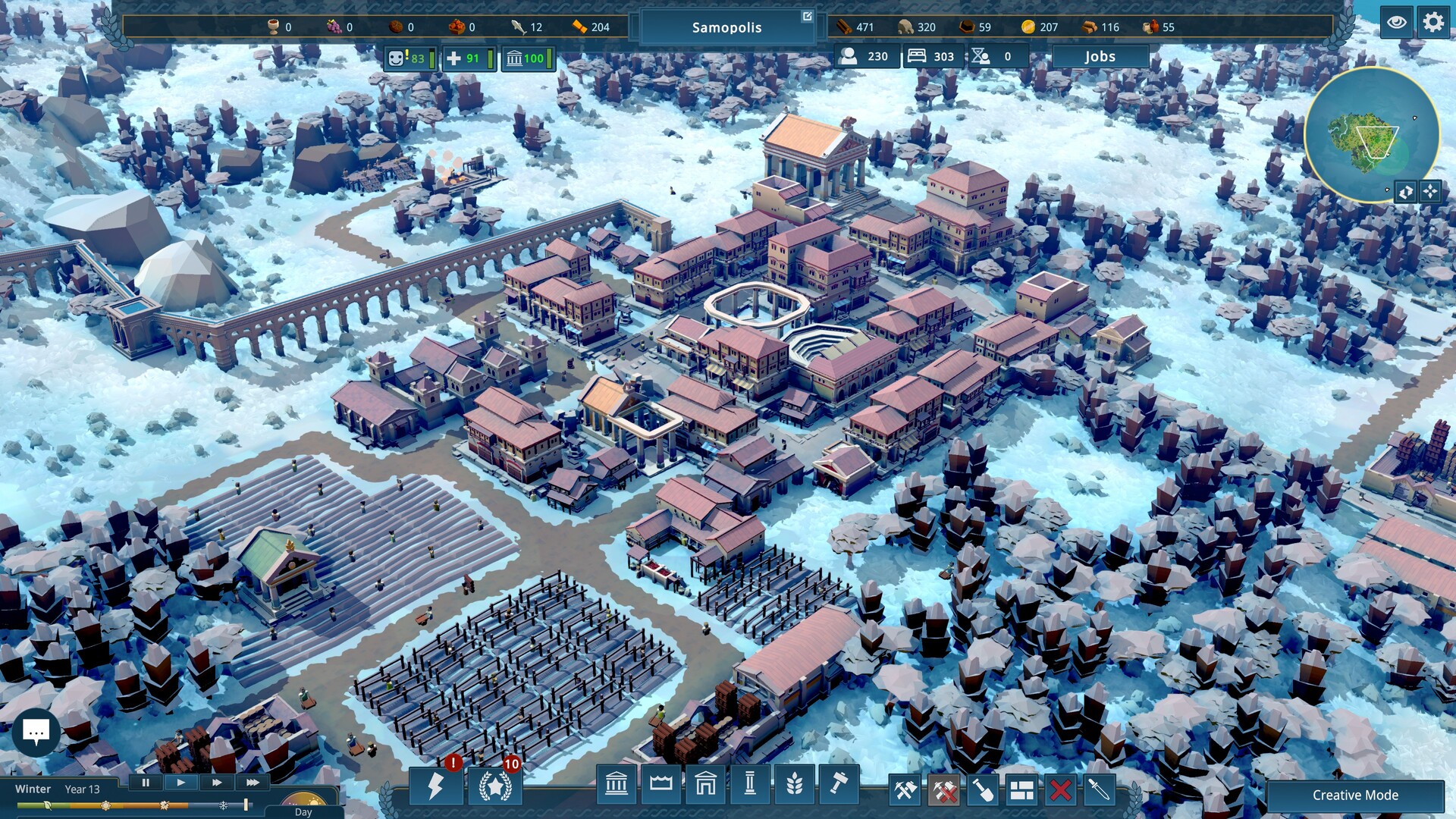
The design is exactly what you would expect from a Roman builder, but it is polished to a high shine. The buildings, the terrain, and the UI all fit the aesthetic perfectly, conveying the theme without cluttering the screen. You will see your city change with the seasons, from sun-drenched summers to rainy periods that test your drainage systems. The visual polish ensures that you always know which resources are where, and the UI makes it easy to see when a specific god is starting to lose their patience with you.
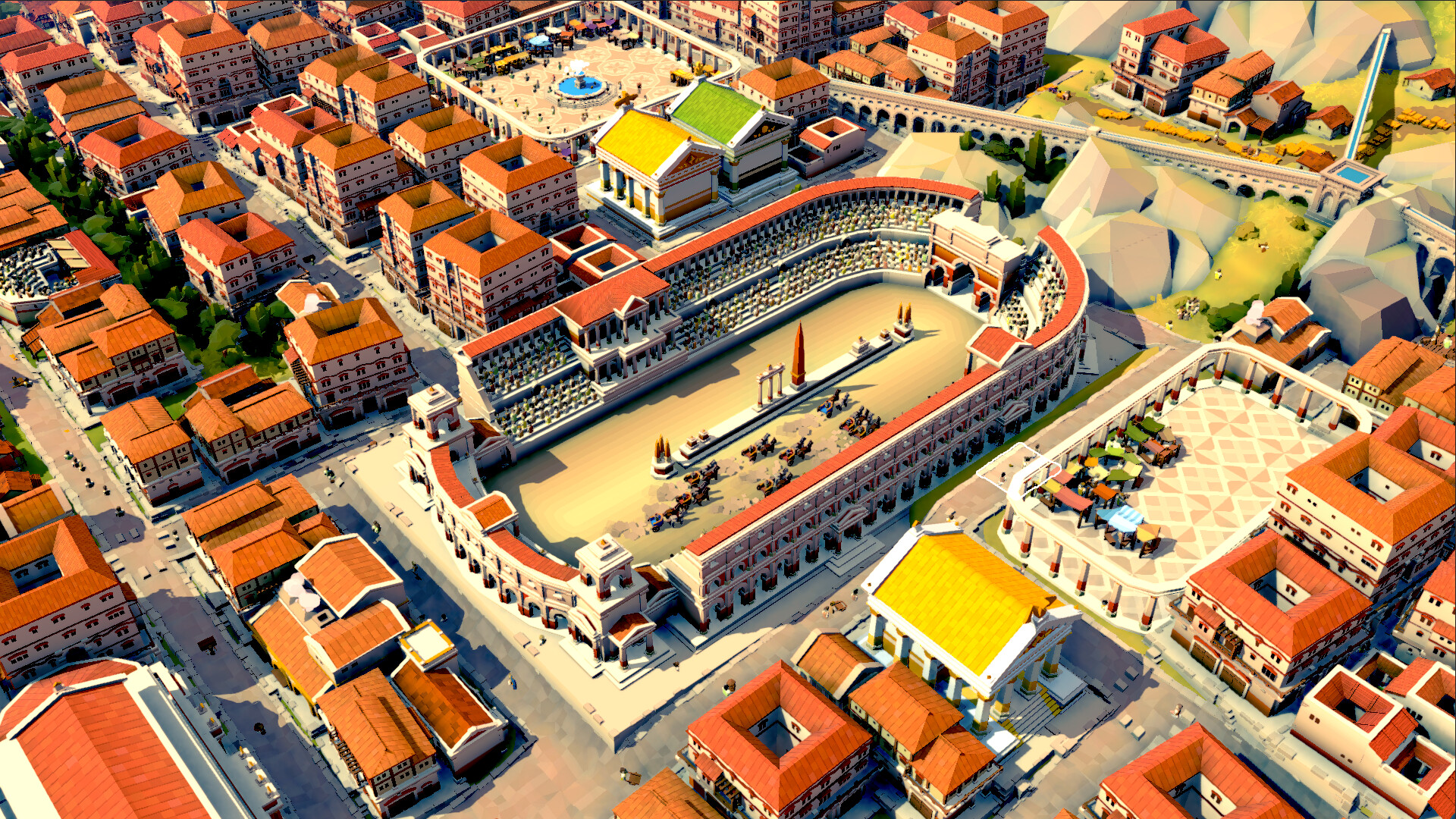
What I really appreciated was the clarity of the visual cues for the physics systems. When you are building those gravity-fed aqueducts, the game gives you clear height and angle feedback, which is vital when you are trying to maneuver around complex terrain. The soundscape is also excellent. The music is a perfect vibe for a long building session, and the environmental audio pulls you right into the bustling streets of your new Rome. While it does not reinvent the visual wheel for the genre, it is a beautifully crafted experience that feels intentional in every pixel.
For its solid execution and atmospheric polish, the design is Buzzed.
originality:
Look, we have seen Roman city builders and God mechanics before; it is a genre that has been around since the dawn of PC gaming. In terms of the broad strokes, Nova Roma is not breaking a ton of new ground. However, that physics-heavy water management system is a total game-changer. I have not seen a builder lean this hard into gravity and fluid dynamics since Kingdoms and Castles, and seeing it applied to Roman engineering is a stroke of genius. It turns a standard infrastructure task into a genuine puzzle that requires actual planning.
The way the game handles its tech tree through divine favors also feels fresher than your standard research points system. You are not just waiting for a timer; you are earning your progress through actions and offerings. It is a simple twist, but it is effective at making the setting feel integral to the mechanics rather than just a coat of paint. The game knows what it is and focuses on doing a few things exceptionally well rather than trying to be everything at once.
For that specific mechanical spark in the aqueducts, the originality Kinda Kicks.
The Final Brew:
Nova Roma is a strong, focused entry into the city-building genre. It has deep resource management, a unique and challenging take on infrastructure, and a world that feels genuinely reactive to your choices. Whether you are trying to appease Jupiter or just trying to get water to flow uphill, the challenge is consistently rewarding. It is the perfect pick if you want to lose a weekend to building the perfect empire while avoiding the wrath of the heavens.
We’ve ground the beans, we’ve carefully weighed and pressed the grinds, and brewed this game down. Now it’s time for a taste test….
Nova Roma is Buzzed!
Nova Roma is available on PC via Steam, and Epic Games Store from March 26th. Check it out here!