
Pack your bags – we’re heading back to Novo, and the stakes just doubled. Planet of Lana II: Children of the Leaf is the ambitious follow-up to the 2023 cinematic breakout that captured our hearts.
In this article we’ll be giving a full review of the game and ranking it from decaf to fully caffeinated.
story:
The narrative picks up as the peaceful life Lana and her village built is shattered once again. This time, it’s not just mindless robots; a ruthless human faction called the Dijinghala is tearing the planet apart for technology. When a mysterious poison leaves Lana’s niece clinging to life, Lana and her loyal companion Mui set off across the planet Novo to find a cure. The story takes on a much more mature tone, exploring themes of tribalism and harmony without ever using a single word of discernible dialogue. It relies entirely on body language and musical cues to convey emotion, and it is a masterclass in non-verbal storytelling.
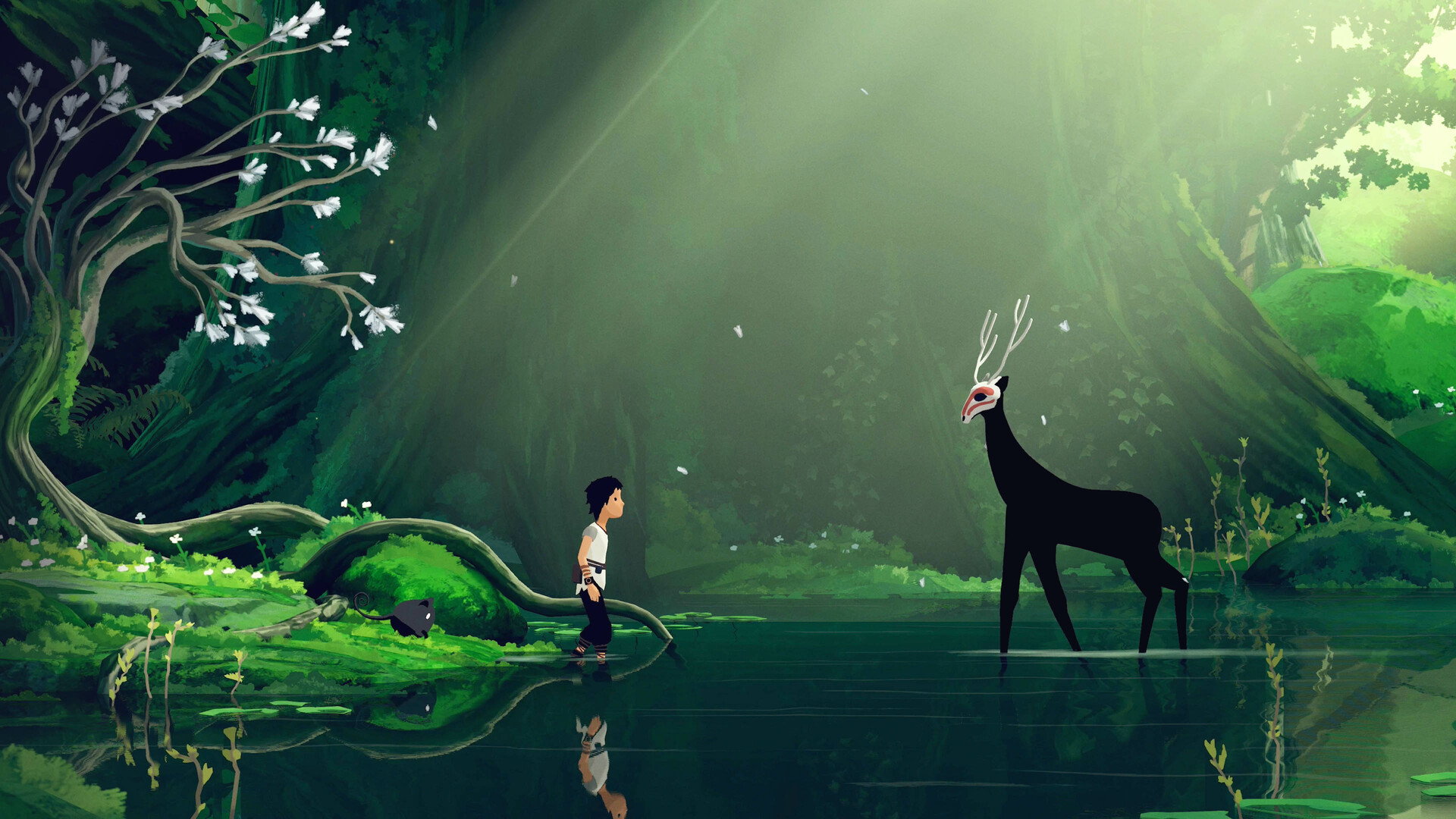
Every frame of the narrative feels earned. The bond between Lana and Mui has grown from a cute gimmick into a deep, emotional anchor that drives every decision you make. While the scope is grander and the stakes are global, the game never loses sight of the personal, heart-wrenching mission at its core. Even with a bold cliffhanger that sets the stage for what’s next, the emotional payoff of this journey is massive. It’s a rare example of a sequel that manages to raise the stakes while deepening the soul of its characters.
For its incredible emotional resonance and wordless brilliance, the story is Fully Caffeinated.
Gameplay:
If the first game was a simple walk in the park, the sequel is a full-on sprint. The core loop remains a cinematic puzzle-platformer, but the mechanics have received a massive jolt of energy. Lana is significantly more agile now, with the addition of wall jumps and slides that make the platforming feel tight and modern. The puzzles have also matured; they’re smarter and more varied, often requiring you to use Mui’s expanded “taming” powers to control other creatures, like fish that provide underwater cover or “Rollers” that trigger chain reactions.
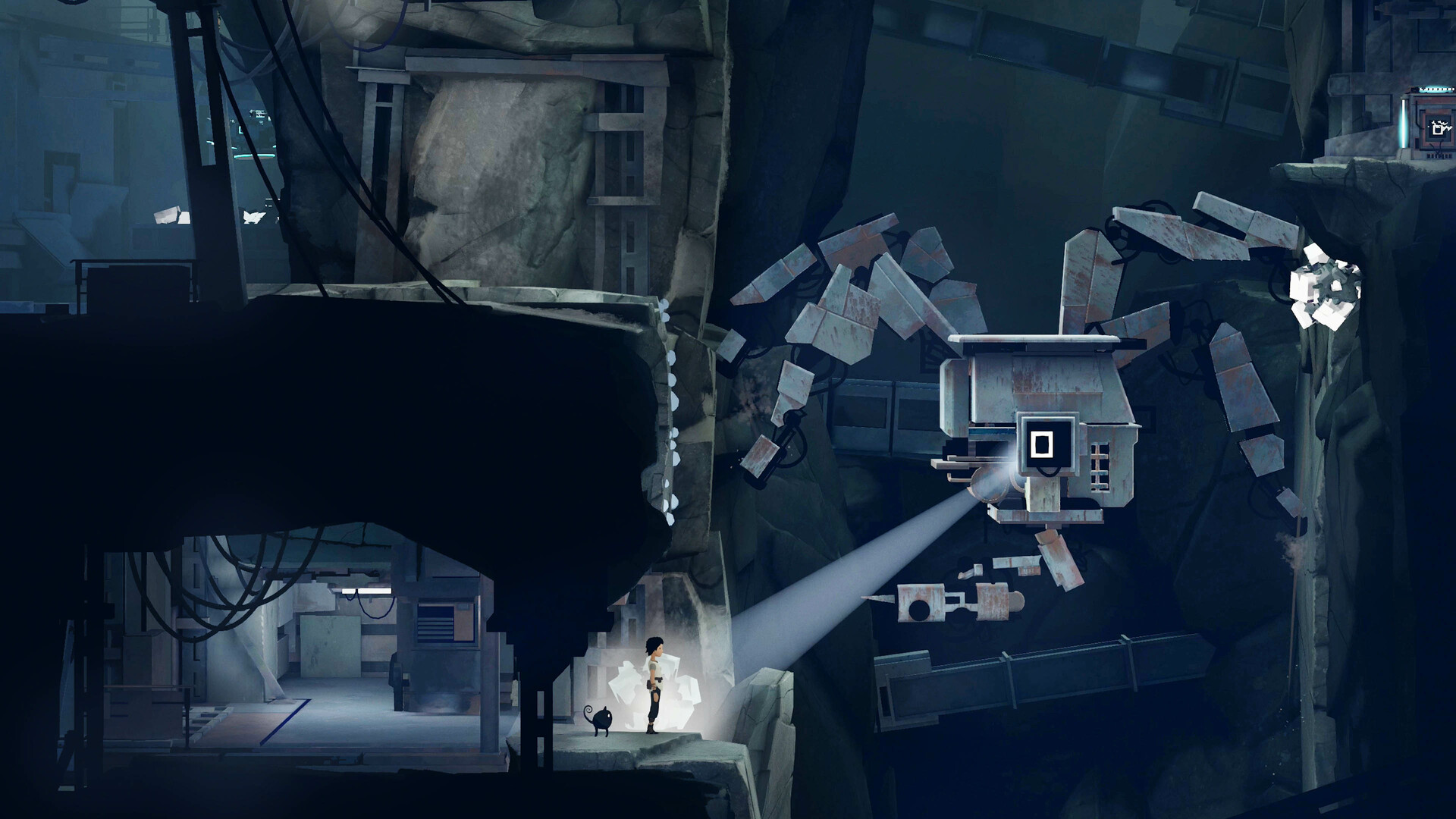
The most intense moments come from the overhauled stealth and chase sequences. You aren’t just hiding in grass anymore; you’re luring enemies into environmental traps and making split-second decisions during high-speed escapes that feel like they’re straight out of a Ghibli action flick. While some of the trial-and-error frustration from the first game lingers, the addition of new companion abilities and smoother traversal makes the minute-to-minute play feel significantly more refined.
For taking a solid foundation and making it feel truly dynamic, the gameplay is Fully Caffeinated.
Design:
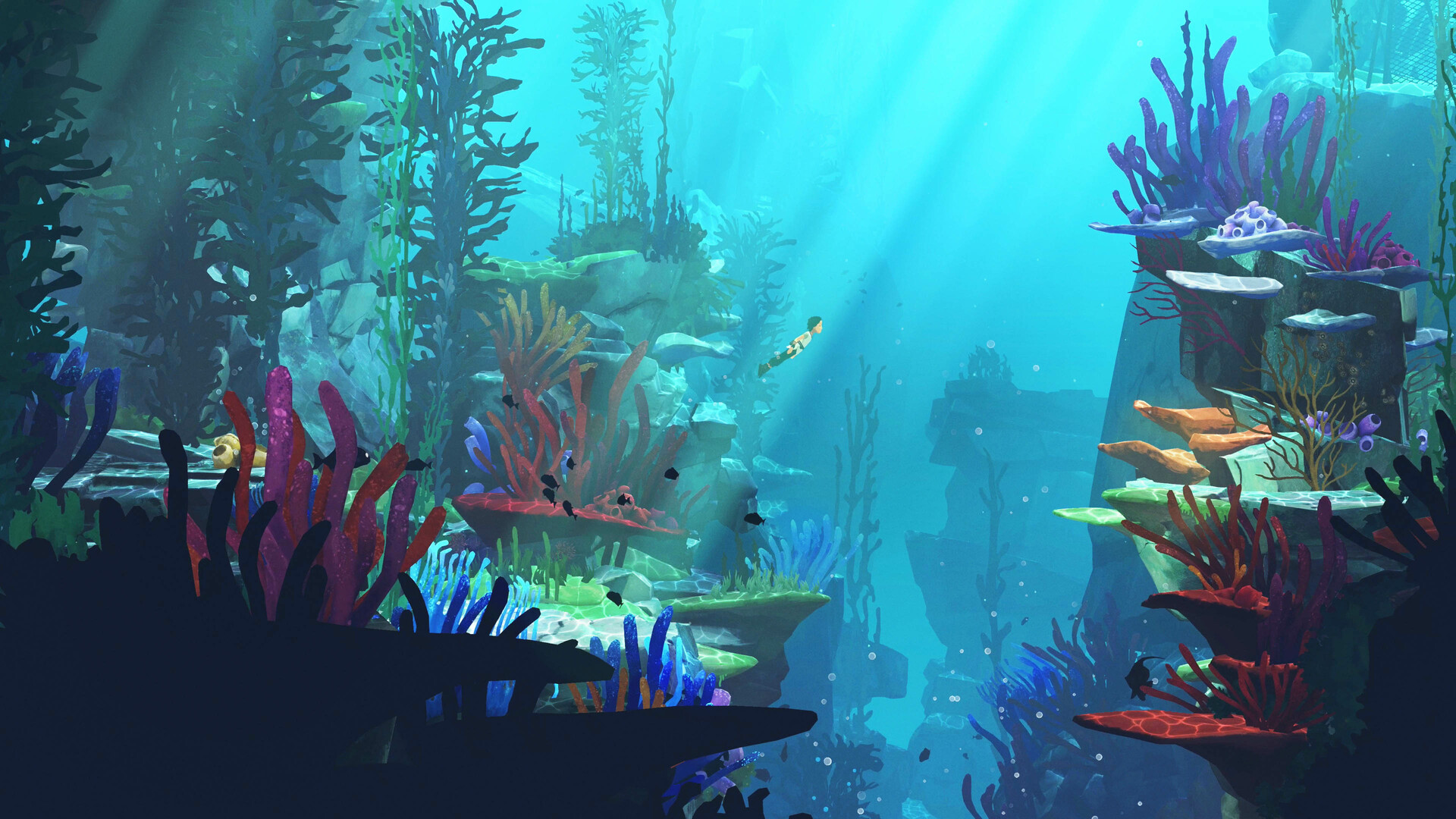
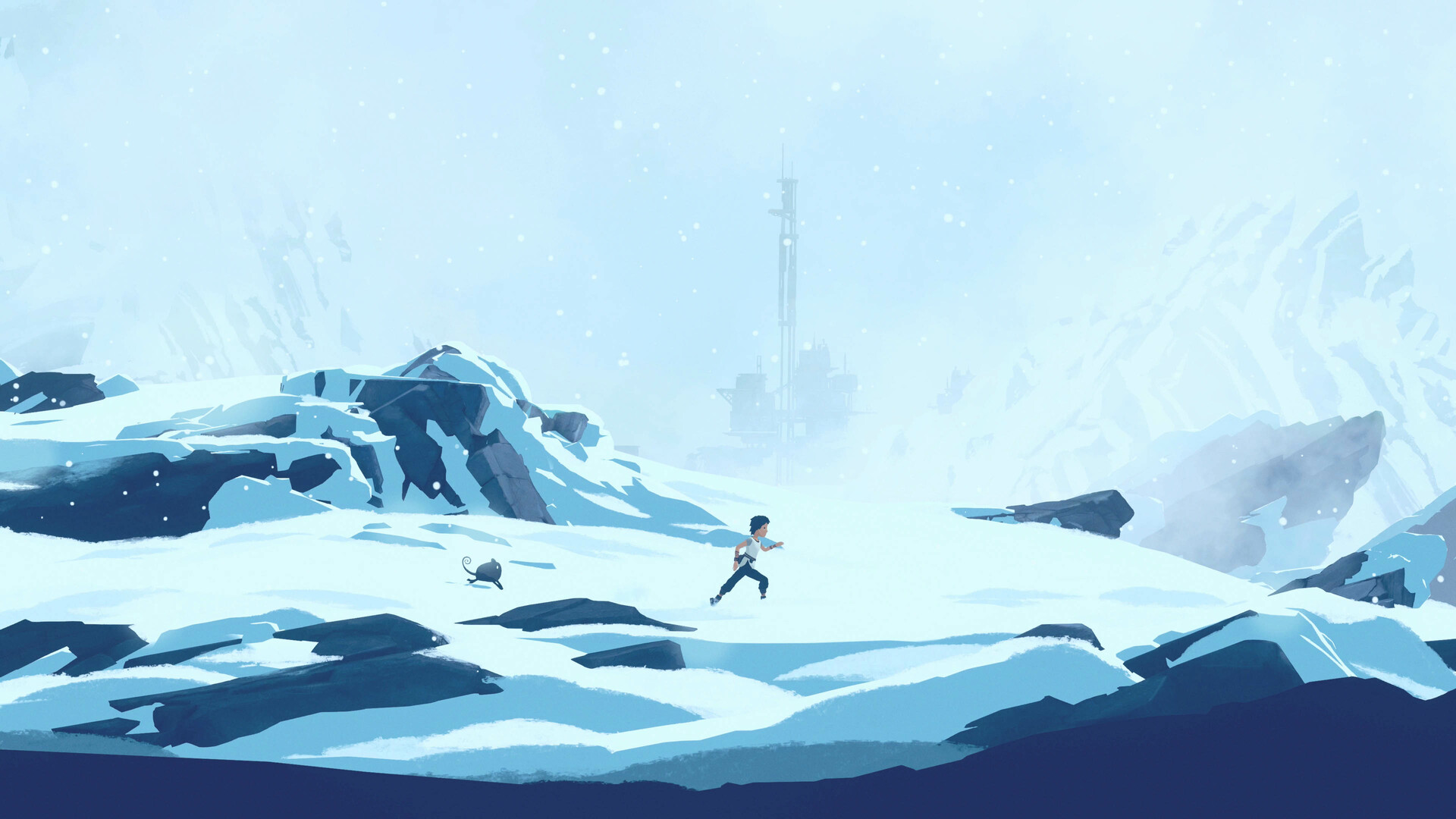
Visually, Planet of Lana II is a contender for the most beautiful game of the year. The hand-painted aesthetic returns with even more vibrancy and detail, taking you through snowy peaks, tropical islands, and eerie underwater graveyards. Each biome feels like a living diorama, with layers of foreground foliage and distant machinery creating a staggering sense of scale. It’s a visual feast that constantly demands you stop and take a screenshot.
The sound design is the secret ingredient that pulls the whole experience together. Takeshi Furukawa returns with a soaring orchestral score that is nothing short of breathtaking. The music isn’t just background noise; it’s the heartbeat of the game, shifting from serene melodies during quiet exploration to pulse-pounding arrangements during the chase scenes. The way the characters communicate through musical tones and expressive gestures creates a universal language that works perfectly with the art style.
For its sheer artistic brilliance, the design is Fully Caffeinated.
Originality:
Sequels often play it safe, but Planet of Lana II tries to widen the filter. While it’s still firmly a cinematic platformer, the way it integrates companion-based puzzles with environmental storytelling is uniquely its own. The “taming” mechanic and the focus on non-verbal communication feel like a distinct identity that few other games manage to pull off with this much heart. It doesn’t radically shift genres, but it innovates within its own borders by making the world feel reactive rather than just a pretty backdrop.
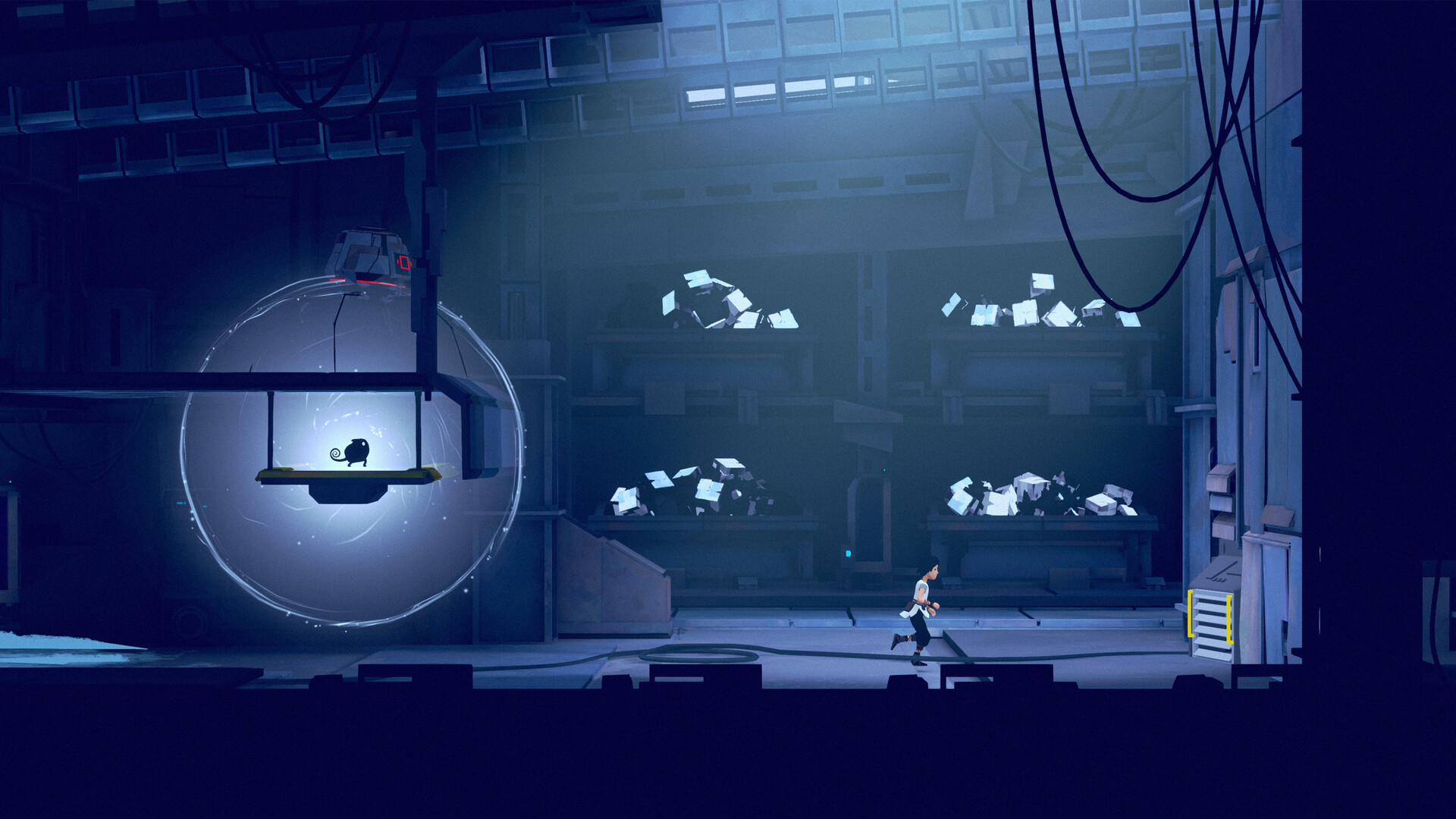
That said, it is a “textbook sequel” – it focuses on being bigger and better rather than completely different. If you weren’t a fan of the first game’s style, this won’t change your mind, but for those who love this specific blend of sci-fi and soul, it offers enough mechanical growth to feel fresh.
For its confident expansion of a unique world, I’m rating the originality as Buzzed.
The Final Brew:
Planet of Lana II is a stunning, emotional triumph that proves Wishfully Studios knows exactly how to brew a perfect sequel. It’s bigger, tougher, and more beautiful than the original, delivering a narrative and mechanical experience that keeps you hooked from start to finish. The bond between Lana and Mui remains the strongest relationship in indie gaming, wrapped in a world that is a genuine joy to explore
We’ve ground the beans, we’ve carefully weighed and pressed the grinds, and brewed this game down. Now it’s time for a taste test….
Planet of Lana II is Fully Caffeinated!
Planet of Lana II: Children of the Leaf is available on Steam, Xbox, and PlayStation 5 now, check it out here!